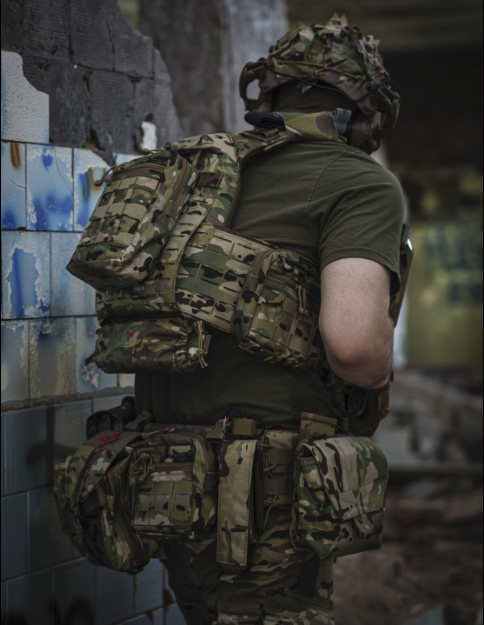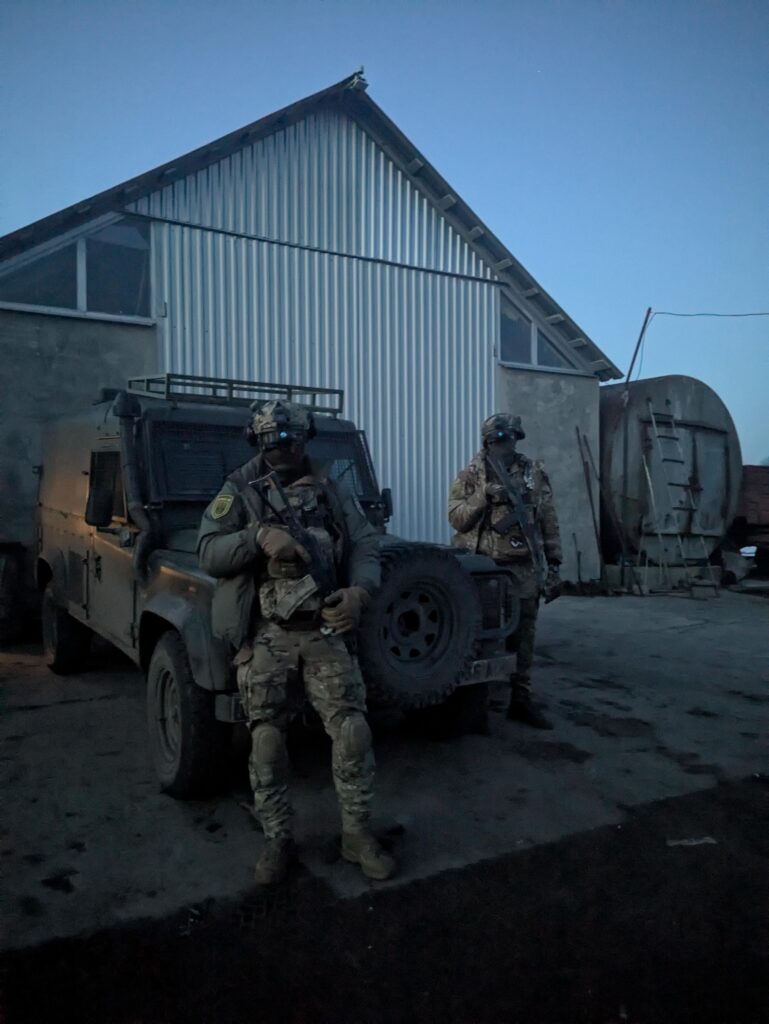
Across the tactical gear world belts have a variety of names. The most common you’ll see are “battle belt” “war belt” or “range belt”. Other “tactical belts” generally just look militaryesque, but don’t have any significant features beyond a heavy duty cobra buckle. To put it simply, battle belts, war belts, and range belts have two common denominators: they are weight bearing belts designed to remain rigid when loaded with gear, and second, they have a gear retention system (usually a Molle system or some variation of Molle).
Different manufacturers use “battle” and “war” belt terminology interchangeably, but for the sake of clarity we’re going to define these as two separate types of belts; and for the sake of this discussion, we’re only going to talk about Battle Belts and War Belts (range belts confuse me).
Decision Making: Choosing the Right Kit
Before we get into the specifics and differences between these types of belts, let’s touch on the decision making process when trying to choose the right piece of kit. We recommend keeping it simple and logical. Ask yourself: What will I use this for (mission, range/training, airsoft)? What is my role in that activity? What are the role-specific needs? What tasks does this piece of gear need to perform well for this role? I’ll explain my personal answers to those questions later.
Battle Belts
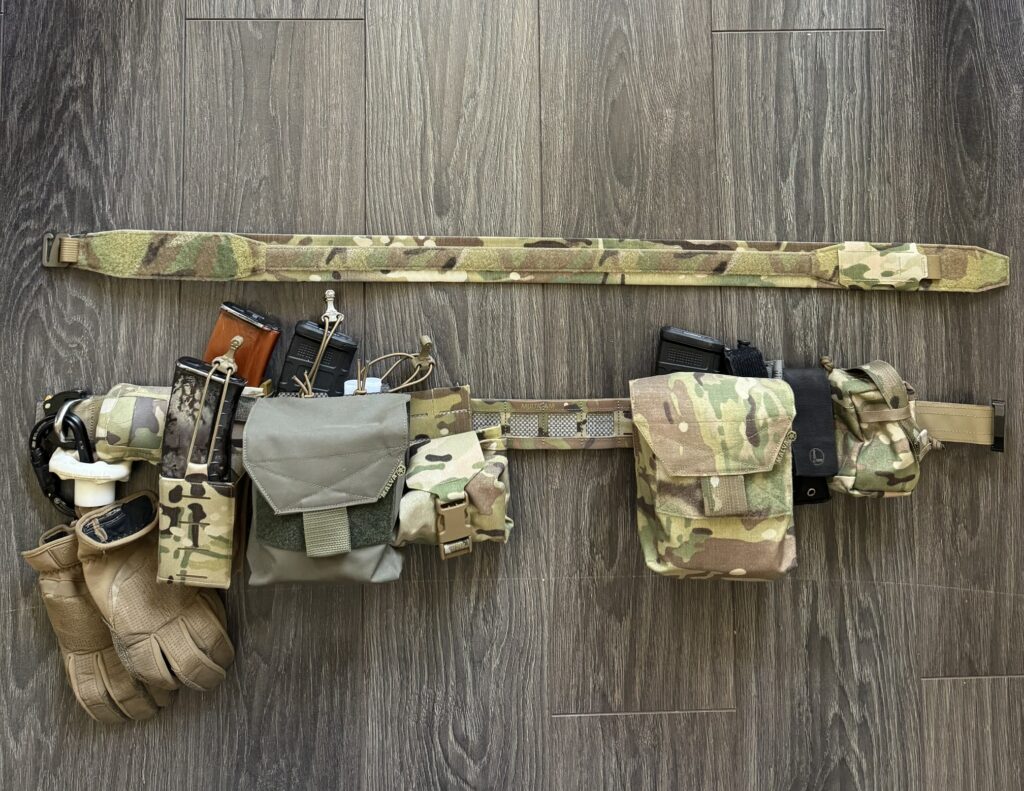
A battle belt is made of an inner velcro belt that loops through your trousers and an outer belt that velcros onto the inner belt allowing for quick donning and doffing. See here on the War Spirit LS battle belt:
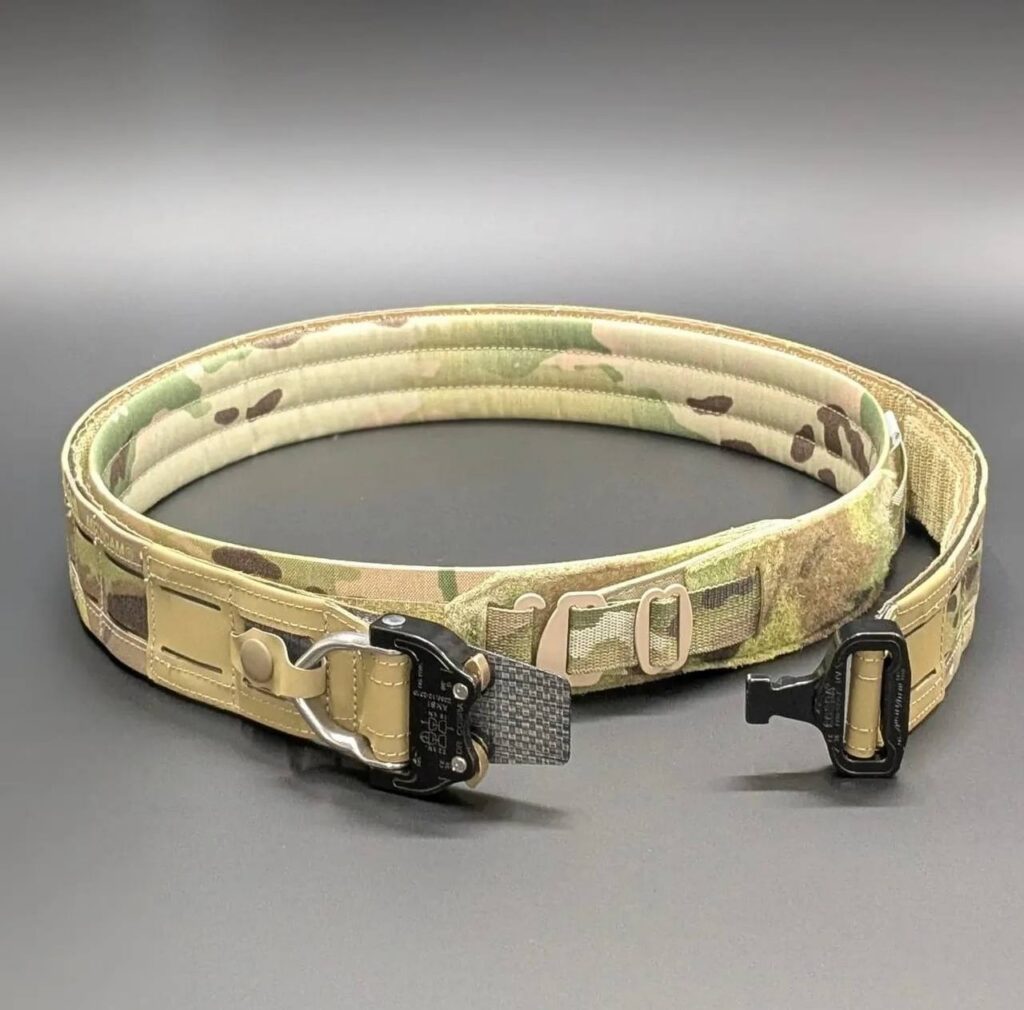
The outer belt usually has an internal piece of Tegris or other hard, semi-flexible plastic running through the middle to give rigidity, allowing the belt to carry a fair amount of weight. The internal belt, like on the War Spirit model above, is padded to absorb some of the pressure from the outer belt when it’s loaded down. Some are rated for rappelling, and have a D-ring for a carabiner to clip into (handy for hanging gloves or a roll of medical tape, don’t recommend rappelling)
So how much weight can it comfortably carry? The picture above is a good representation of fully loaded. Sometimes I add a pistol when training on the range and the battle belt deals with the added weight just fine. But adding much more makes the belt sag and dig into the hips too much for my liking. The more weight you carry, the more support you need—which brings us to War belts— for when you need to carry the world on yo hips!
War Belts
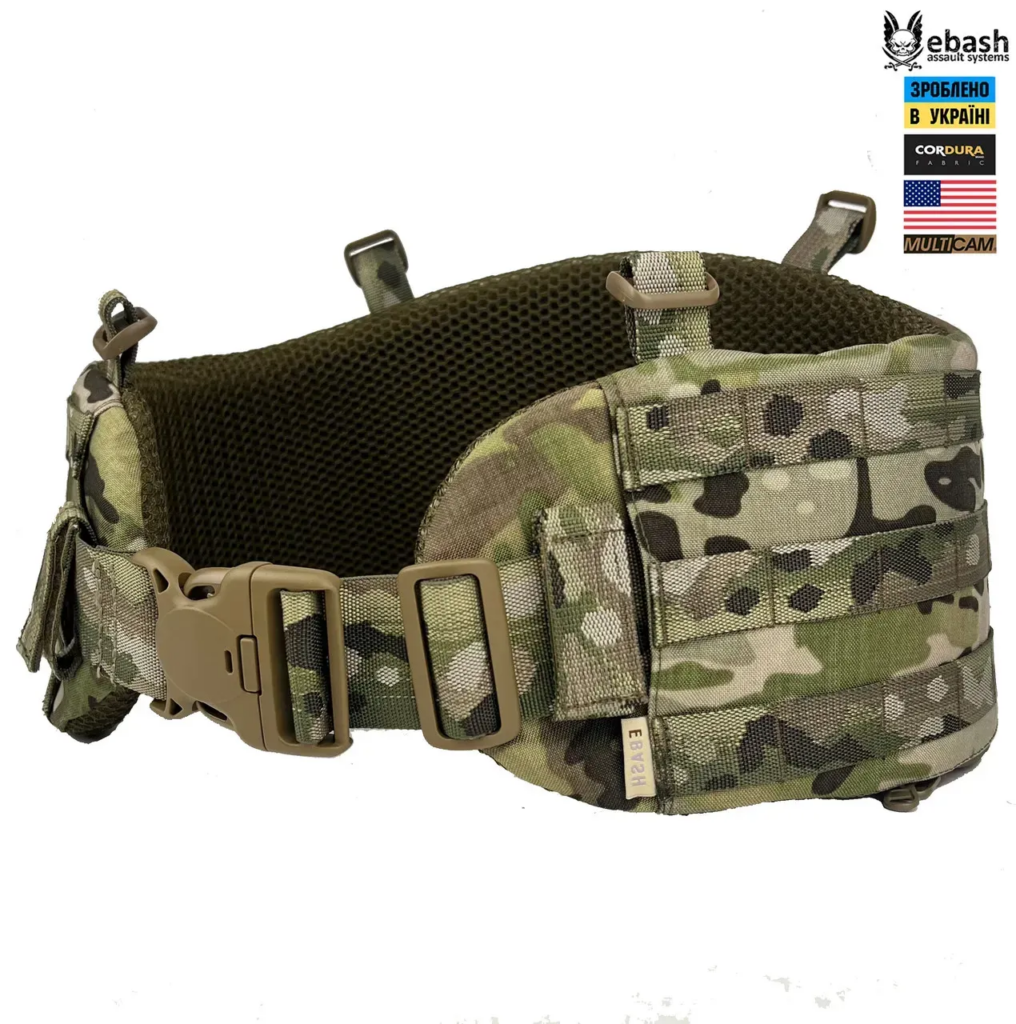
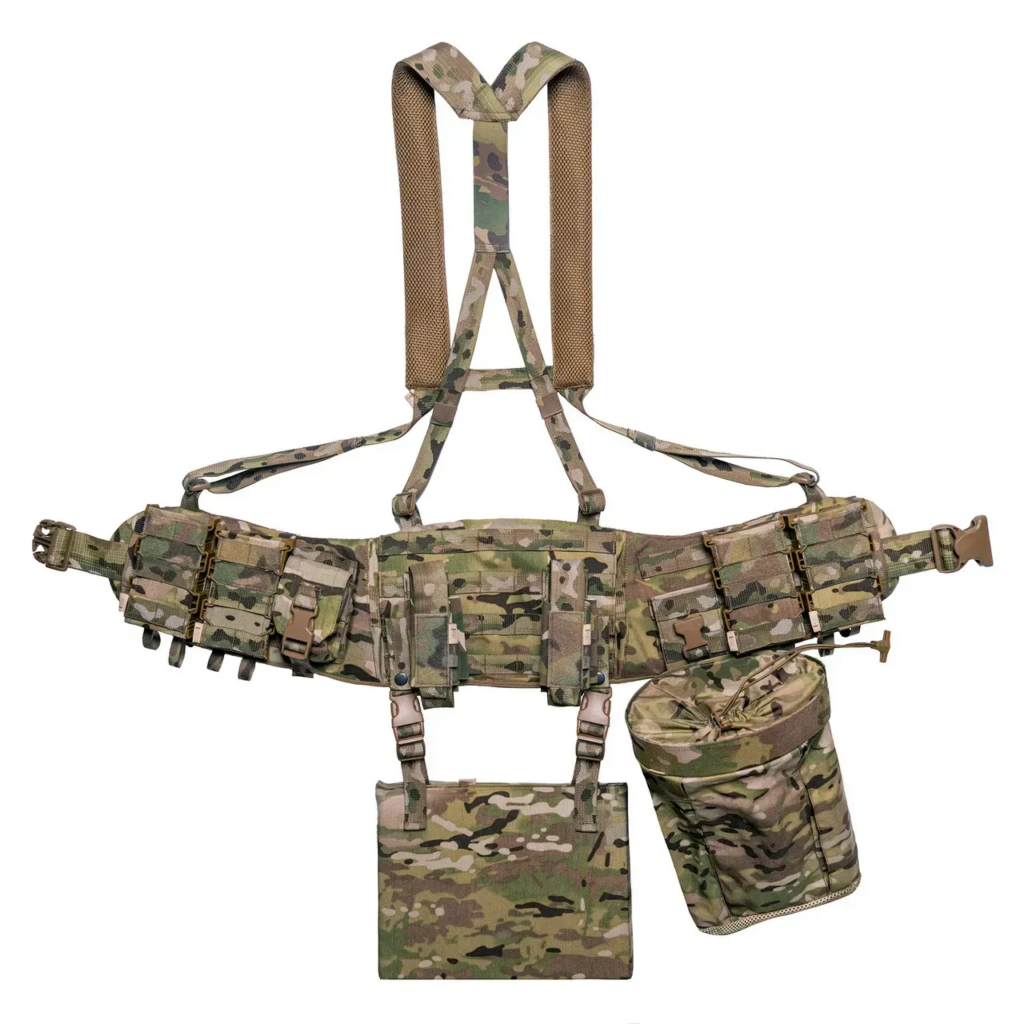
A war belt is built with sustainment and maximum loadbearing in mind. Often paired with a RPS system (explain acronym), these belts are made to carry heavy loads of extra ammunition, grenades, medical equipment, and other gear while distributing out that weight efficiently across the hips via a substantial padded belt system paired with suspenders/shoulder straps to help bear the weight (similar to a trekking rucksack). Take a look at the E-tac War belt with shoulder straps for a classic example of a War belt loadout:
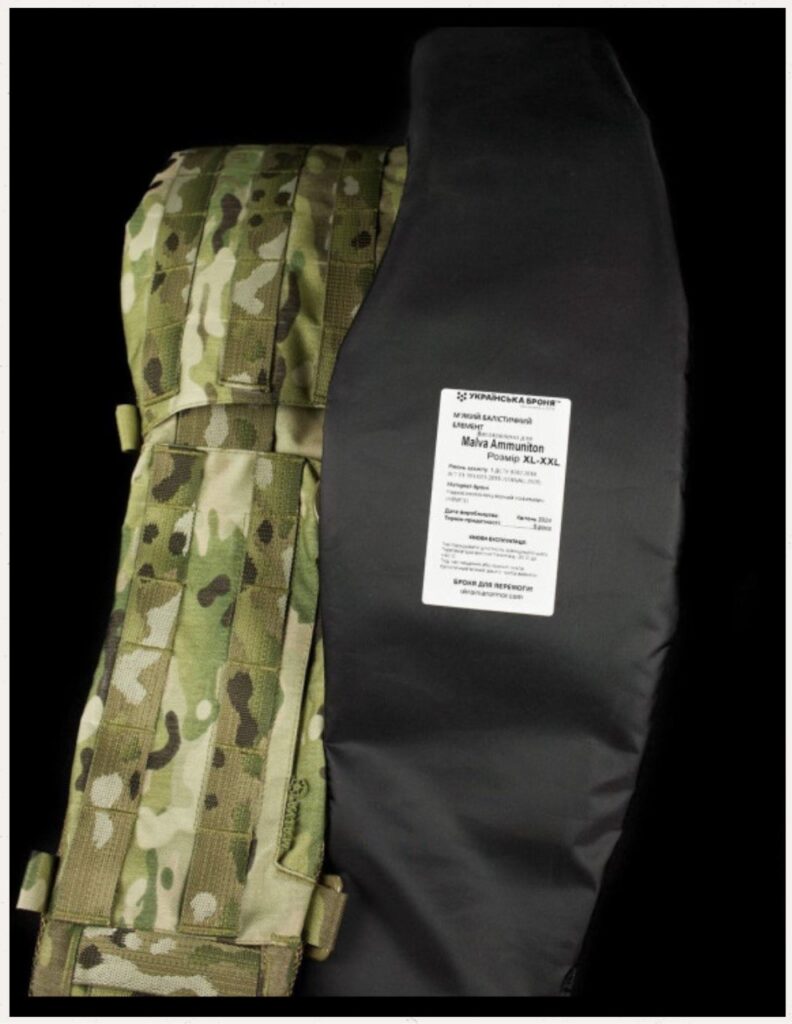
Additionally, most Ukrainian war belts feature a built-in pocket for ballistic protection— an innovative and excellent idea for today’s infantry and assault guys needing maximum coverage from shrapnel.
Why Did I Choose a Battle Belt?
Personally as a vehicle-based CASEVAC medic, my mission set never justified the need for a war belt; the battle belt fits my needs better. Being low profile while remaining beefy enough to carry a full MARCH kit+4 extra AK mags is ideal for CASEVAC work. Getting in and out of a civilian vehicle converted into an evac vehicle= tight work spaces that just get tighter in full loadout. Two medics in full kit working on a patient in the back of a donated farm truck bouncing down a destroyed road makes you reevaluate each piece of gear. However, on long patrol drills during a basic infantry training course where I was carrying 3-days worth of ammunition, food, wet/warm gear, medical supplies, entrenching tools and camouflage supplies… I was longing for the extra support and real estate of a war belt.
What’s Right for You?
Conclusion: The right belt for you is going to be whatever fits your mission best. If you want something you can take to the range and also confidently respond to a real world scenario with, we recommend getting yourself a battle belt. If you’re a reservist infantry, a war belt with RPS may be more your speed to help comfortably carry sustainment kit for long days in the field on manoeuvres. If you’re still not sure what the right choice for you is, don’t hesitate to give us a shout. — EMW team
Tip: Practice needs to translate to real world application— your hands should be able to find your dump pouch and reserve mags by muscle memory from the range to the real world. Using the belt and setup you use in real life on the range is a must. If your range has rules prohibiting camo (for our EU readers), and you need a neutral color belt, make sure you set up your magazines and dump pouch the same as you would on your battle/war belt.
Author
Andrew Harrelson has worked as a volunteer medic in Ukraine since 2024. Before succumbing to the wiles of the Ukrainian Volunteer Army, he drove evacuation vehicles and managed humanitarian initiatives starting from 2022. Prior to Ukraine, he worked in Iraq as a reconstruction program manager and wilderness guide in Alaska.